The Longitude DC Intensive is developed within the Generator Residency, a fieldbuilding program by Constellation and Kairos, and shaped by conversations with hiring managers across the DC AI policy ecosystem.
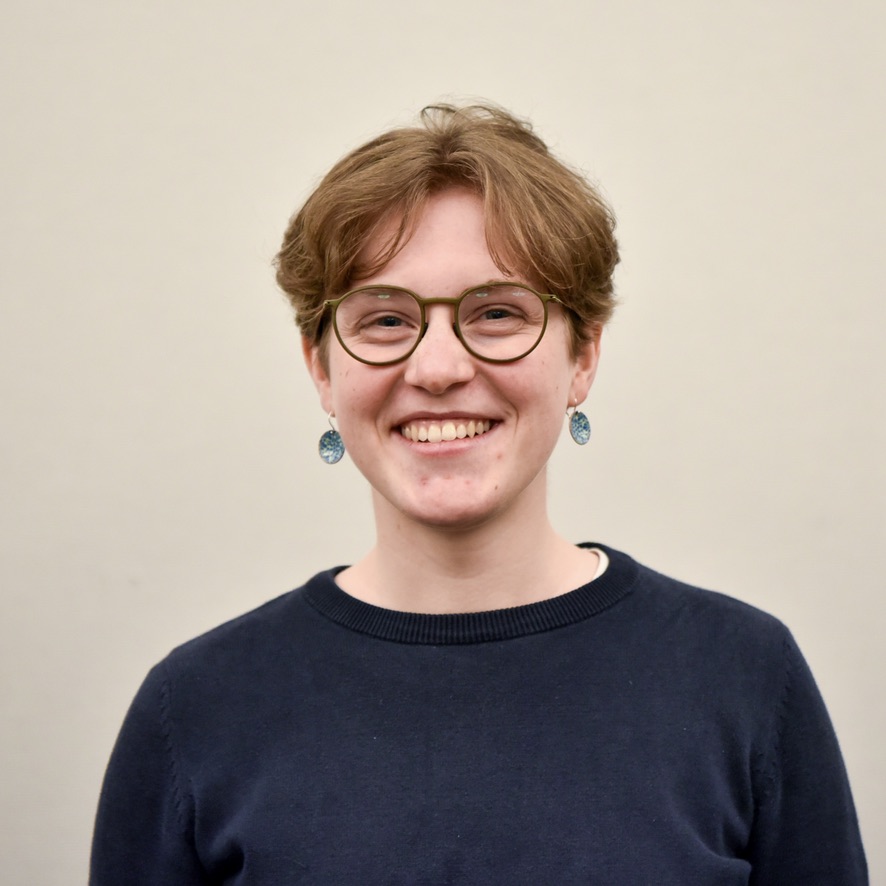
Manon builds talent programs for the AI safety field. She founded AI Safety Saarland, co-directs the SAIGE Incubator, and is currently a Generator Resident at Constellation in Berkeley.
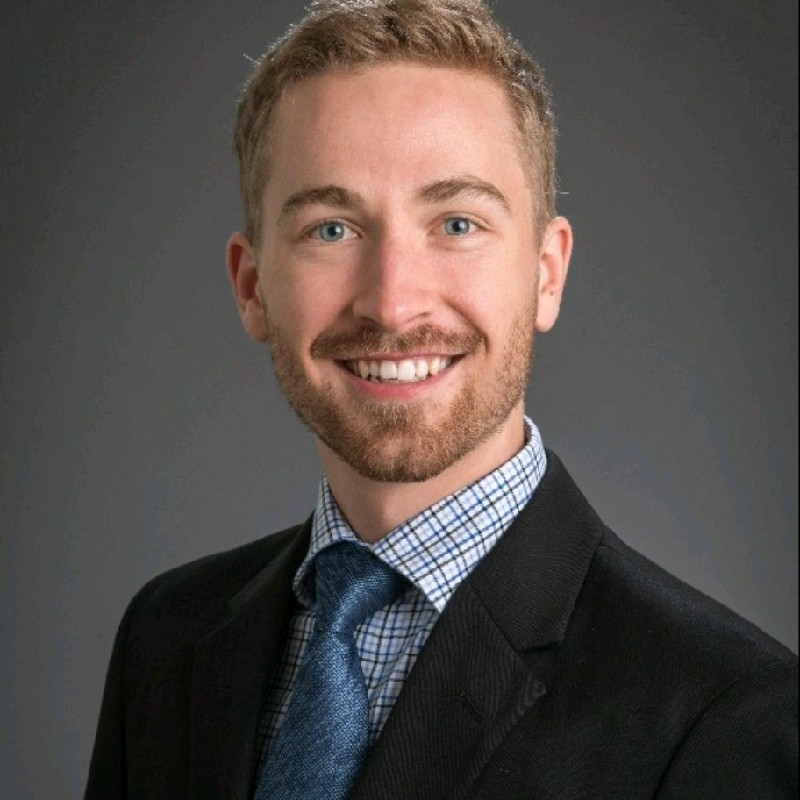
Damin is a former congressional staffer and made the transition into AI policy himself. He is currently a Generator Resident at Constellation in Berkeley.
People at AI policy organizations in DC keep telling us the same thing: they struggle to hire people who combine a solid understanding of AI safety with a basic grasp of the technology itself. At the same time, the AI safety pipeline produces far more junior technical talent than there are research roles, and the upcoming midterm elections may open up many positions in congressional offices.
Looking at the existing routes into AI policy, they either ask for a long commitment, run online, or focus on policy research. There was no short, high-signal way for someone who is curious but uncommitted to explore the whole breadth of policy careers, especially the roles that are not research. That is the gap this program fills.
In the last year, AI policy went from a niche topic to something nearly every part of the US government touches. Since late 2025 the White House has issued several executive orders on AI, a national security memorandum set out how agencies should adopt it, and the Commerce Department briefly suspended access to two frontier models, Claude Fable 5 and Mythos 5, the first action of its kind. In Congress, a bipartisan pair of representatives released the first draft of a comprehensive federal AI framework. Three states have passed the first laws aimed specifically at frontier AI models, with California, New York, and most recently Illinois each building on the one before. More actions will follow, across more agencies and offices, and each of them is prepared by people. Far too few of those people understand both the technology and its risks. That is the gap this program exists to help fill.